
Exploring the Potential of Red Light Therapy Devices
Updated: Aug 12
Red light therapy (RLT) is gaining popularity as a non-invasive wellness practice. From supporting skin vitality to everyday recovery, interest in red light therapy continues to grow. This post explores how red light therapy devices work, their potential benefits, and practical ways to include them in a regular wellness routine.
What is Red Light Therapy?
Red light therapy involves exposing the skin to low levels of red or near-infrared light. These wavelengths, typically between 600 and 1000 nanometers, are absorbed by the body and are used in many modern wellness devices.
How Does Red Light Therapy Work?
Red light therapy is linked to a process called photobiomodulation. When certain wavelengths of light reach the cells, they can interact with the mitochondria — the parts of cells involved in energy production. This interaction may support the production of adenosine triphosphate (ATP), the molecule that helps power many cellular functions.
Health Benefits of Red Light Therapy
1. Skin Vitality
One of the most common reasons people use red light therapy is to support the appearance of healthy skin. It is often included in routines aimed at maintaining skin elasticity and overall skin vitality.
2. Everyday Comfort & Recovery
Many people use red light therapy as part of their recovery routine after physical activity or for general joint and muscle comfort. It is frequently chosen for its gentle, non-invasive nature.
3. Hair & Scalp Care
Some individuals incorporate red light into their hair and scalp care routines to support overall scalp wellness.
4. General Wellbeing
Red light therapy is also explored as part of broader wellness practices. Some people find the sessions relaxing and include them in routines focused on balance and everyday wellbeing.
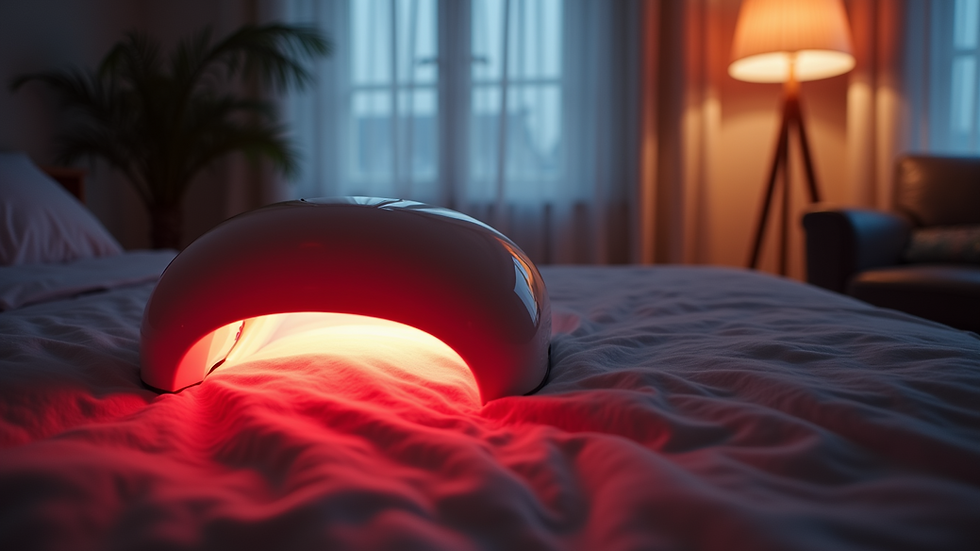
How to Use Red Light Therapy Devices
Choosing the Right Device
When selecting a red light therapy device, consider the following factors:
Wavelength: Look for devices that emit light in the 600 to 1060 nanometer range.
Power Output: Check the device specifications for power density to understand its output.
Coverage Area: Consider the size of the device and whether it suits the areas you want to focus on.
Usage Guidelines
To get the most from your sessions, follow these practical guidelines:
• Frequency: Use the device 3–5 times per week. Consistency tends to work better than occasional use.
• Duration: Sessions usually last between 10 and 20 minutes, depending on the device and the area.
• Distance: Maintain a distance of approximately 15–30 cm (6–12 inches) from the device for comfortable and effective use.
Safety Considerations
Red light therapy is generally well tolerated by most people. Always follow the manufacturer’s guidelines, and speak with a healthcare professional if you have any existing health conditions or concerns.
Potential Reactions
Side effects are uncommon, but some people may notice:
• Mild temporary redness or sensitivity, especially with longer sessions
• The importance of protecting the eyes - use protective eyewear if recommended
Conclusion
Red light therapy devices offer a convenient way to support everyday wellness routines. From skin vitality to general recovery and overall wellbeing, many people find value in adding consistent sessions to their schedule.
If you’re considering red light therapy, take time to choose a device that suits your needs and speak with a healthcare professional if you have any questions. With regular use and proper technique, it can become a simple and practical part of your wellness routine.

Comments